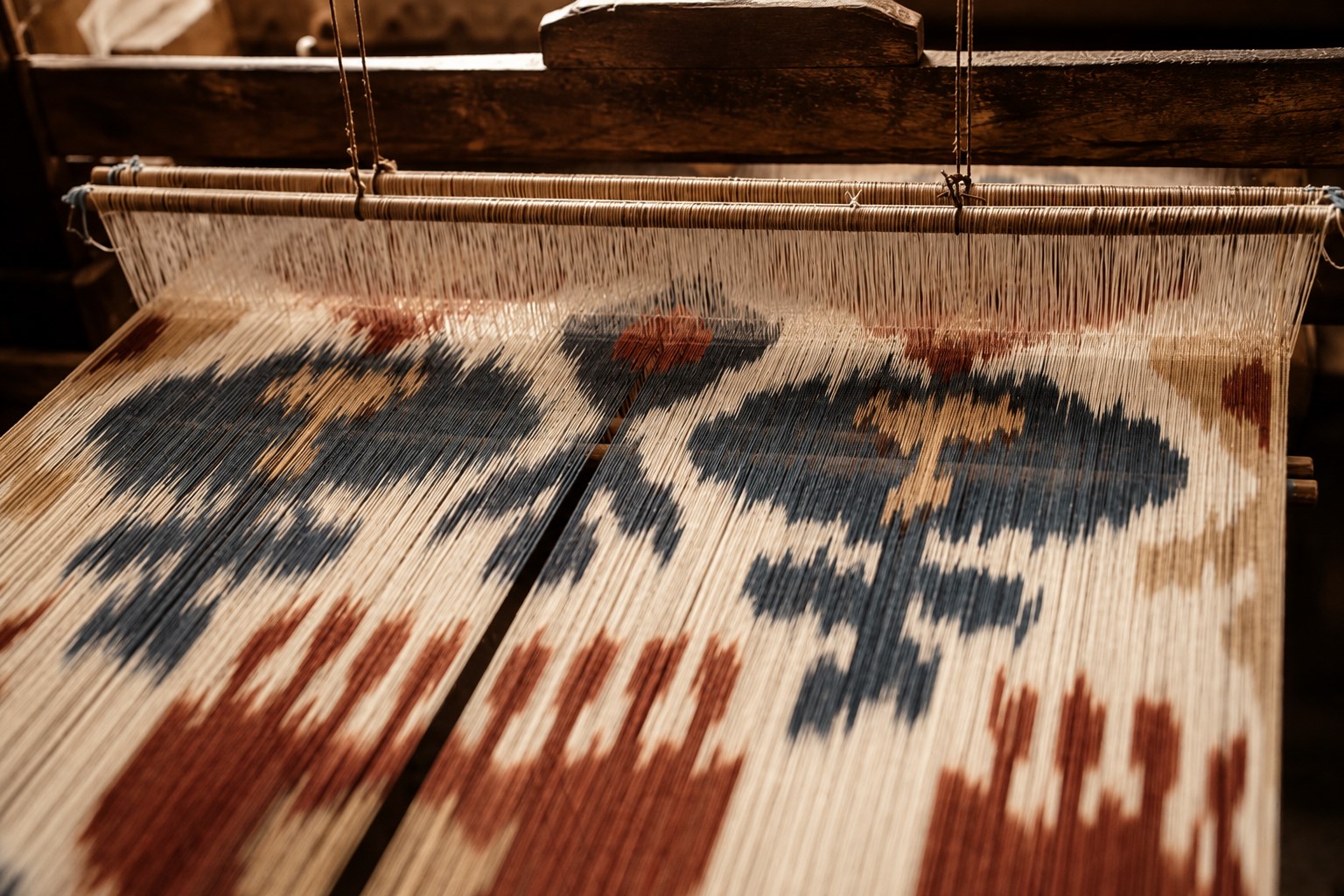
Embroidery, crochet and natural dyeing as part of fashion and accessories development
India has one of the richest textile traditions in the world. Its artisanal techniques are part of a broad production culture, where manual work, material knowledge and the transmission of skills across generations continue to play an essential role.
In fashion and accessories, these techniques are not only decorative. When developed with clear criteria, they can bring identity, differentiation and added value to a collection. Embroidery, crochet, hand weaving, appliqué, beadwork, natural dyeing techniques and handmade finishes make it possible to create products with a personality that is difficult to achieve through purely industrial processes.
A tradition with contemporary value
Although many of these techniques have ancestral origins, their application in contemporary fashion remains highly relevant. Brands are increasingly looking for products with texture, authenticity and a story behind the material or process. In this context, Indian craftsmanship offers a wide universe of possibilities for developing garments, bags, accessories and textile details with a distinctive language.
The key lies in interpreting these techniques in a contemporary way, adapting them to the brand’s positioning, the final use of the product and the quality standards required by today’s market.
Embroidery and appliqué
Embroidery is one of the most recognisable techniques within Indian textile production. It can be developed in many different ways: from delicate embroidery on cotton, linen or silk to more elaborate applications with metallic threads, beads, sequins, mirrors or raised textures.
For a brand, embroidery makes it possible to introduce colour, texture and detail without completely transforming the structure of a garment or accessory. It can be used on dresses, blouses, jackets, bags, belts, footwear or small accessories. It also allows brands to create special pieces within a collection, more artisanal capsule lines or distinctive details that reinforce product identity.
Crochet, macramé and handmade work
Crochet, macramé and other handmade construction techniques have a strong presence in accessories and summer garments. Bags, tops, dress details, decorative panels, hats or textile finishes can benefit from this type of work, especially when the collection seeks a more natural, artisanal or resort-inspired language.
These techniques bring volume, structure and texture. They also allow brands to work with materials such as cotton, raffia, jute, linen or natural blends, making them particularly aligned with spring-summer collections and products with a more organic aesthetic.
Natural dyes and colour processes
Natural dyeing is another particularly interesting area within Indian textile tradition. The use of pigments derived from plants, roots, flowers, minerals or other natural resources can create colours with a distinctive depth and gentle irregularity.
From a product perspective, this type of colouring can bring a softer, more artisanal and less industrial aesthetic. However, it also requires careful control: colour consistency, wash fastness, resistance to light, compatibility with the fabric and stability between batches are all essential aspects for the result to work within a commercial collection.
Craftsmanship and sustainability
Many artisanal techniques naturally connect with a more responsible narrative: manual processes, lower dependence on intensive machinery, the use of natural fibres, the preservation of local knowledge and production with greater human value.
Even so, sustainability should always be approached with rigour. An artisanal product is not automatically sustainable. For a collection to have a truly coherent basis, it is also important to consider the origin of the materials, production conditions, dyeing processes, quality controls, traceability and the relationship with the workshops or suppliers involved.
The challenge of adapting craftsmanship to production
One of the main challenges when working with artisanal techniques is adapting manual value to the needs of a brand: timing, costs, quantities, consistency, finishes and repeatability. The beauty of craftsmanship often lies in its small variations, but a commercial collection also requires control, planning and clear standards.
This is why it is important to work with suppliers who understand both the technique and the demands of the market. The balance between creativity, feasibility and quality is essential for an artisanal idea to become a well-developed product.
Differentiation and brand value
In an increasingly saturated market, artisanal techniques can help a collection develop a more recognisable identity. It is not only about adding embroidery or a handmade detail, but about integrating the technique into the product concept. When craftsmanship is used coherently, it can elevate the perception of a garment or accessory, support a more premium positioning and build a richer story around the collection.
An opportunity for fashion and accessories
India offers a vast range of artisanal resources for brands looking to develop products with texture, identity and added value. Embroidery, crochet, macramé, appliqué, natural dyes and handmade finishes can become powerful tools within fashion and accessories development.
The real value lies in knowing how to select the right technique, the right supplier and the right level of complexity for each product. Because craftsmanship, when developed well, is not only decoration: it is a way of building product with soul, criteria and differentiation.