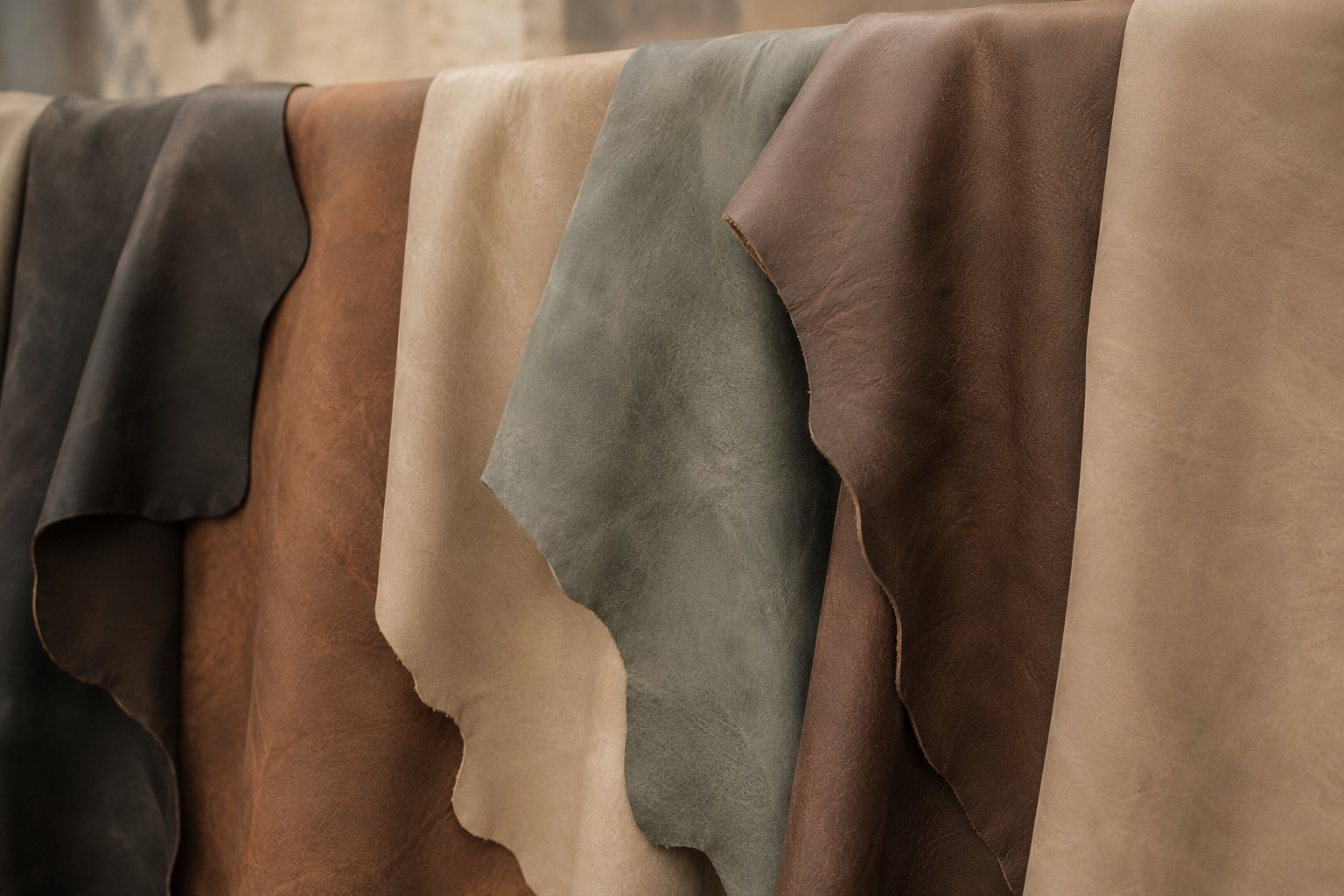
A key reference for developing leather products with greater control and responsibility
Leather remains an important material in fashion, especially for bags, footwear, belts, outerwear and small accessories. Its durability, touch and ability to age well make it a raw material with significant product value.
However, it is also a material that requires careful management, particularly in relation to origin, transformation processes, chemical use, water consumption, traceability and environmental impact.
An increasingly relevant reference
In this context, working with tanneries certified or audited by Leather Working Group (LWG) has become an increasingly relevant reference for many brands. LWG evaluates tannery practices in areas such as environmental management, water and energy consumption, waste treatment, chemical use, traceability and compliance with certain standards within the leather supply chain.
Greater control over a key stage
For a brand, choosing an LWG tannery is not only a matter of certification. It is a way of working with suppliers that have gone through a recognised evaluation process and offer greater control over a particularly sensitive stage of the product. This is important for brands looking to develop leather goods with a more responsible narrative, but also with technical guarantees and a more transparent supply chain.
Quality, consistency and product development
From a product development perspective, the choice of tannery has a direct impact on the final quality of the leather: colour consistency, touch, resistance, finish, behaviour in production and consistency between batches.A well-selected leather can improve the perception of the product and reduce issues during manufacturing, such as excessive variations, defects, rejections or difficulties during cutting and assembly.
A more responsible narrative
Working with LWG tanneries also helps respond to a growing demand from brands, retailers and consumers: to better understand where materials come from and how they have been processed. Although sustainability in leather must be approached rigorously and cannot be reduced to a single certification, working with audited suppliers provides a stronger basis for sourcing decisions and for communicating the product in a more responsible way.
Traceability and transparency
Traceability is another important aspect. In the leather sector, understanding the journey of the material is increasingly relevant. Brands need clearer information about origin, processes and the suppliers involved in the chain. Working with audited tanneries can help reduce risks and improve transparency during product development.
A tool, not an absolute guarantee
However, working with LWG tanneries does not mean that every challenge is solved. Certification should be understood as a tool for selection and improvement, not as an absolute guarantee. For a brand, it is still important to review the type of leather, finish, quality tests, colour availability, lead times, prices and the supplier’s suitability for the type of product being developed.
A strategic decision
Ultimately, working with LWG tanneries can bring greater confidence, control and transparency to the development of leather products. For brands seeking to combine quality, responsibility and coherence within their supply chain, selecting the right tannery is a strategic decision.
Leather is a material with great potential when it is worked well. And precisely for that reason, choosing the right suppliers is not a technical detail, but an essential part of the final value of the product.